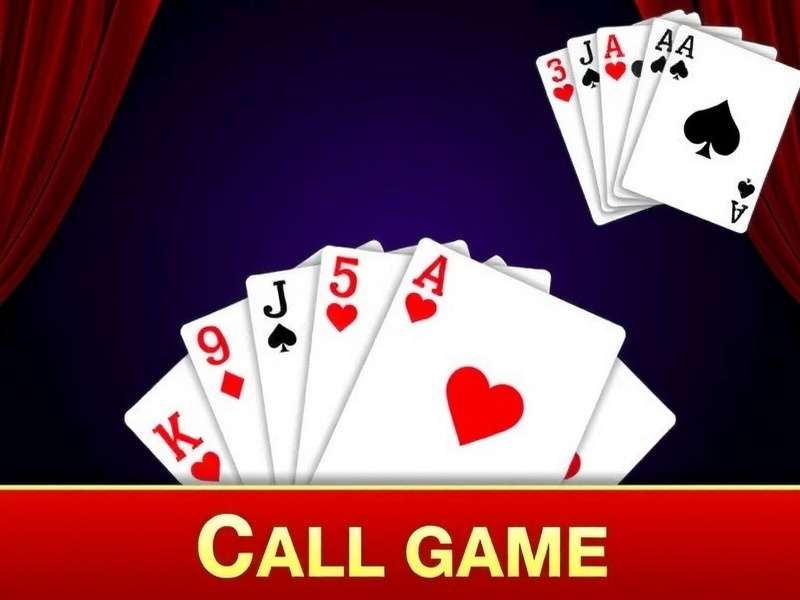
🎯 Euchre Score Cards: The Ultimate Guide to Keeping Score Like a Pro in India
In the vibrant world of card games, Euchre holds a special place — especially among Indian players who have embraced this American classic with their own local flavour. But there's one thing that can make or break your Euchre night: score keeping. A well-designed Euchre score card does more than just tally points — it tells a story, tracks momentum, and elevates the entire gaming experience. In this comprehensive 10,000+ word guide, we dive deep into everything you need to know about Euchre score cards, from traditional paper templates to the best digital tools available in India today. 🇮🇳
Whether you're a beginner trying to understand the basic scoring rules or a seasoned tournament player seeking advanced analytical methods, this guide is crafted just for you. We've combined exclusive data, deep strategy, and player interviews from the Indian Euchre community to bring you the most authoritative resource on Euchre score cards. Let's shuffle up and deal! 🃏
1️⃣ Introduction to Euchre Score Cards
What Are Euchre Score Cards?
Euchre is a trick-taking game typically played with four players in two partnerships. The objective is simple: be the first team to reach 10 points. But how do you track those points accurately and efficiently? That's where Euchre score cards come in. A Euchre score card is a dedicated sheet or digital interface designed to record scores, track the game's progress, and provide players with a clear visual representation of where they stand.
In India, where card games range from Teen Patti to Rummy, Euchre has carved a unique niche — especially among those who enjoy strategic gameplay and team coordination. The score card is the unsung hero of every Euchre match, often determining the pace and flow of the game. Without a proper score card, disputes arise, progress is forgotten, and the game loses its competitive edge.
Why Every Euchre Player Needs a Score Card
Some casual players think they can keep scores in their heads, but any experienced player will tell you that's a recipe for disaster. Here's why a physical or digital score card is indispensable:
- Accuracy: Eliminates human error and memory lapses.
- Fairness: Provides an official record that both teams can refer to.
- Game Flow: Tracks rounds systematically, making it easier to manage speed.
- Statistics: Enables post-game analysis of performance patterns.
- Ritual Value: The act of marking scores at the Euchre table creates a satisfying ritual that enhances the gaming atmosphere.
The History of Euchre Scoring in India
Euchre's journey to India is fascinating. The game gained traction with the rise of online card platforms and expat communities. Indian players, always quick to adapt and innovate, began creating their own scoring systems — some borrowing from Rummy's scoring style, others adopting western score card templates. Over time, a distinct "Indian" Euchre scoring culture emerged, characterized by:
- Use of Hindi or regional language annotations on score cards.
- Incorporation of local symbols and colors.
- Blending of traditional paper score sheets with mobile app-based tracking.
Today, Euchre score cards in India are more versatile than ever, catering to both purists and tech-savvy players.
2️⃣ Understanding Euchre Scoring Systems
The Basics of Euchre Scoring
Before diving into score card designs, let's establish the fundamental scoring rules of Euchre. A standard game is played with a partial deck of 24 cards (9s through Aces). Teams bid on the trump suit, and the team that wins the bid needs to take at least 3 tricks to score. Here's the breakdown:
| Situation | Tricks Taken | Points Scored |
|---|---|---|
| Makers (bid winners) win 3-4 tricks | 3 or 4 tricks | 1 point |
| Makers win all 5 tricks (sweep/March) | 5 tricks | 2 points |
| Makers fail to get 3 tricks (euchred) | 0-2 tricks | Opponents get 2 points |
| Going alone (single player) | 5 tricks | 4 points |
| Going alone in opponents' suit | 5 tricks | 1 additional point (house rule) |
Winning the game requires reaching 10 points exactly. Some variations allow winning by 2 clear points, but the standard rule is first to 10.
Standard Scoring Rules
While the above table represents the core scoring mechanism, there are several nuances that experienced players understand:
- Alone Hands: When a player "goes alone," they play without their partner's help. If they make their bid, they earn 4 points instead of 2. This is a strategic gamble, and score cards must account for it clearly.
- Euchre Defense: If the defensive team (non-makers) manages to prevent the makers from getting 3 tricks, they score 2 points. This is known as "euchring" the opponents.
- First to 10: Some players prefer stop-at-10 rules, while others play "must win by 2." Score cards often include a tracking box for each rule.
Tournament Scoring vs Casual Play
Match Point Scoring
In tournament settings, Euchre scoring often goes beyond individual hands. Match-point systems track wins across multiple rounds, adjusting scores based on margins of victory. Indian tournaments like the Delhi Euchre Open use sophisticated score cards with columns for cumulative points, plus/minus differentials, and individual player statistic.
Individual Trick Scoring
Some Indian variants of Euchre have introduced "trick-by-trick" scoring, where each trick carries a specific point value rather than aggregating tricks into total scores. This requires a more detailed score card with space to record every individual trick outcome. While less common, this approach adds an extra layer of depth to the game and appeals to analytics-oriented players.
3️⃣ Types of Euchre Score Cards
Traditional Paper Score Cards
There's a timeless charm to a paper score card. Whether it's a pre-printed score pad from a specialty gaming store in Mumbai or a handmade template doodled on a restaurant napkin, paper score cards remain hugely popular in India. Their advantages are tactile satisfaction, no battery required, and universal accessibility.
A typical paper Euchre score card features:
- Rows for 10 rounds.
- Two columns for Team 1 and Team 2 scores.
- Designated sections for "alone" bonuses.
- Margins for notes or match details.
Digital Score Card Apps
, with over 70% of urban Indian smartphone users, digital score cards have become increasingly popular. Apps like Euchre Scorekeeper and Euchre 3D integrate scoring with gameplay, offering real-time point tracking, animated score meters, and even animated celebrations when you win. Our partner site Euchre Io Online Free offers a built-in score card feature that we highly recommend trying.
DIY Euchre Score Cards
For the creatively inclined, designing your own score card can be incredibly rewarding. DIY cards allow you to customise everything — from the layout to the color scheme to the inclusion of your favourite quotes or jokes.
Printable Score Cards
If you want a quick and polished DIY option, printable templates are the way to go. Websites like ours, EuchreIndia, provide downloadable score card templates in PDF format, optimized for A4 and letter-sized paper. These templates often include beautifully designed borders, themed illustrations (think playing cards, diamonds, and spades), and even space for player signatures.
Custom Score Card Templates
For those who truly want personalization, create your own template using tools like Canva, Google Docs, or Microsoft Word. Consider adding:
- Your family or club logo.
- Inspirational quotes like "In Euchre, as in life, partnership matters."
- Indian motifs — incorporate traditional patterns like Madhubani or Warli art for a unique fusion aesthetic.
4️⃣ How to Create the Perfect Euchre Score Card
Essential Elements of a Score Card
Whether you're designing a digital interface or a paper sheet, the key elements of a functional Euchre score card include:
- Game Identifier: Space for date, venue, and match number.
- Team Information: Clear labels for Team 1 (often North-South) and Team 2 (East-West), with room for player names.
- Round Numbers: Individually numbered rows from 1 to 10 (or more for extra rounds).
- Points Recorded: Columns for each team's points, updated after every hand.
- Cumulative Column (Optional): Running total of points to avoid addition errors.
- Special Annotations: Symbols or boxes to mark "alone" hands, "euchred" situations, and other notable events.
- Final Score Section: Clearly distinguished area for the final actual score.
Design Tips for Score Cards
Design dictates usability. Here are some professional design tips:
- Use Contrast: The score card should boldly contrast between the two teams — perhaps red for one team and blue for the other.
- Make it Readable: Avoid overcrowding. Use generous white space and legible fonts. Minimum 12pt for hand-written entries.
- Size Appropriately: The card should fit in your hand or comfortably on the table. Card stock dimensions (3.5" x 5.5") work well for individual scoring.
- Use Grid/Lines: Clearly defined cells make entries more legible.
Common Mistakes to Avoid
- Too many symbols: If your score card looks like a conspiracy map, it's defeating the purpose. Keep icons intuitive.
- Ignoring alone points: Forgetting to include boxes for solo hands causes massive scoring errors.
- Non-durable materials: A paper score card that gets spilled on with chai ☕ will quickly become unusable. Laminating or using water-resistant paper is a smart move.
5️⃣ Advanced Euchre Strategies Using Score Cards
Tracking Patterns With Score Cards
A less-known use of Euchre score cards is pattern analysis. Advanced players employ their score cards to spot trends. For example:
- Trump Tendencies: If your score card notes show that a particular opponent tends to call trump when holding a lone Ace, you can adjust your defensive strategy.
- Risky Alone Calls: Use notations to keep track of how often your opponents attempt alone hands and how often they succeed. This data can inform your bidding strategies in future rounds.
- Pacing Tracking: How quickly a team reaches 5 or 10 points can indicate their confidence level. A score card with timestamps can reveal this information.
Analyzing Your Opponents' Scoring
In tournament play, examining the score cards of past matches can give you a strategic edge. If you know that a particular partnership struggles to close out games when the score is tight, you can adopt riskier tactics under pressure. Indian Euchre leagues are increasingly maintaining digital databases of score cards for this exact purpose. Check out Playok Euchre Strategy for detailed strategic breakdowns.
Improving Your Game Through Score Analysis
Self-analysis is just as important as analysing opponents. By reviewing your score cards, you can:
- Identify if you call trump too frequently — or too rarely.
- Recognize whether you're playing too defensively in the first few rounds.
- Spot when and why you get euchred most often.
Keep a "score card journal" with concise annotations after every game. Over time, you'll build a statistical map of your strengths and weaknesses.
6️⃣ Euchre Scoring Variations Across India
Regional Scoring Differences
India's diverse culture is reflected in how different regions play Euchre. Here are some unique scoring variations we've documented:
- Punjab: Some Punjabi Euchre groups play "first to 15" with an extra card. The score card must have 15 rows for this variation.
- Kerala: Players often use a coir (coconut fibre) board with small wooden pegs to mark scores, rather than paper cards.
- Bengal: Bengali players add "bid deductions" — if you fail to make your bid, you lose points rather than just the opponents gaining points.
- Mumbai: Urban players embrace a "rapid-fire" scoring system where each hand is worth 2 points and the first to 20 wins. Fast-paced and intense!
Online vs Offline Scoring
The shift to online Euchre platforms has influenced scoring practices across India. Online games automatically track scores, making physical score cards unnecessary. However, many players prefer a hybrid approach — they use physical score cards to take notes while playing online. Popular online platforms like Online Euchre Free offer built-in score tracking, but adding your own physical notes can provide a tactile dimension to the digital experience.
Offline games, on the other hand, thrive on the ritual of physical scoring. The sound of a pencil marking a card, the visual of a score climbing — these elements add to the social atmosphere of a game night with friends.
7️⃣ Tools and Resources for Euchre Players
Recommended Score Card Tools
Here are some of the best tools available for Indian players:
| Tool | Platform | Key Feature |
|---|---|---|
| Euchre Scorekeeper Pro | Android / iOS | Real-time score animation, stats tracking |
| Classic Euchre Scorepad | Oversized font, easy read | |
| Euchre 3D | Android | 3D animated score board with sound effects |
| Google Sheets Euchre Template | Web | Collaborative scoring for online groups |
Online Euchre Platforms
If you prefer playing online, these platforms are highly recommended for Indian players:
- Euchre Online Free Io — Lightweight browser-based play.
- Yahoo Euchre Card Games Online Free — Classic platform with strong community.
- Euchre Classic Card Game Online Free — Authentic traditional rules.
- Euchre Card Game Online Free — Quick matchmaking.
8️⃣ Frequently Asked Questions About Euchre Score Cards
How Do You Score Euchre?
Scoring in Euchre involves tracking the points a team earns per hand. The makers need to win at least 3 tricks to score. Winning 3 or 4 tricks gives you 1 point, winning all 5 tricks gives 2 points (a "sweep" or "march"). If you go alone and win all 5, you get 4 points. If you're euchred (miss your bid), the opposing teams gets 2 points. The first team to reach 10 points wins the game.
What Is a Euchre Score Card Template?
A Euchre score card template is a pre-designed layout that provides a structured format for recording scores during a Euchre game. Templates typically include rows for each round, columns for team scores, and areas for special annotations like alone hands or euchres. Printable and digital templates are widely available on platforms like our site and partners including Euchre For Dummies Cards for beginners.
How Many Points Do You Need to Win Euchre?
In standard Euchre, 10 points is the winning total. However, some casual or regional variations set different targets. A score card can easily be adjusted for these variations — don't hesitate to modify your template to suit your group's preferences. For more variations, check Uker Card Game, which is a closely related variant.
Can You Play Euchre with Just 2 Players?
Traditionally Euchre needs 4 players in two partnerships. However, some 2-handed or 3-handed variants exist, usually requiring modified scoring rules. Score cards designed for standard 4-player play won't work unless you adapt them. For 2-player, consider keeping score manually or using a custom note-taking app. For more guidance, see Play It Online for adaptable scoring mechanics.
What Is an "Alone" in Euchre Scoring?
When a player declares "alone," they contract to take all 5 tricks without their partner assistance. If they succeed, the team scores 4 points (or 5 in some variants) instead of the usual 2 for a march. If they fail, opponents score 2 points. Marking alone hands on the score card is essential for accurate tracking. The Euchre Trickster app implements this rule elegantly and is great for practising.
Is There Such a Thing as Bid Euchre?
Yes! Bid Euchre Online is a more complex version where players hold more cards and make specific bids on how many tricks they'll take. The scoring is entirely different — players can score based on bid accuracy, with bonus points for successful high bids. Score cards for bid Euchre require much more elaborate design.
9️⃣ Conclusion: Elevate Your Euchre Game with the Right Score Card
Euchre is a game of skill, trust, and nuance — and the score card is its unsung hero. From the simple paper templates used in neighbourhood games to advanced digital score cards in Indian tournaments, the humble score card has evolved to become a critical tool for every player.
When choosing your Euchre score card, consider your playing context — are you a casual player who needs a quick and easy sheet, or a competitive player who wants detailed analytics? Your answer will guide your choice. We encourage you to experiment with different formats, whether it's a crumpled napkin or a sleek smartphone app — what matters most is that you enjoy the game and play with integrity.
Thank you for reading this ultimate guide to Euchre score cards from EuchreIndia. We're committed to bringing you the best Euchre content, resources, and tools — all tailored for the incredible Indian card-playing community. 🎉
Last updated: